
Latest Articles & News
Stay informed about IFRS 16 and how it affects lease accounting and financial reporting. Learn practical tips for compliance, lease management, and improving transparency in your business.
Bookkeeping & Compliance
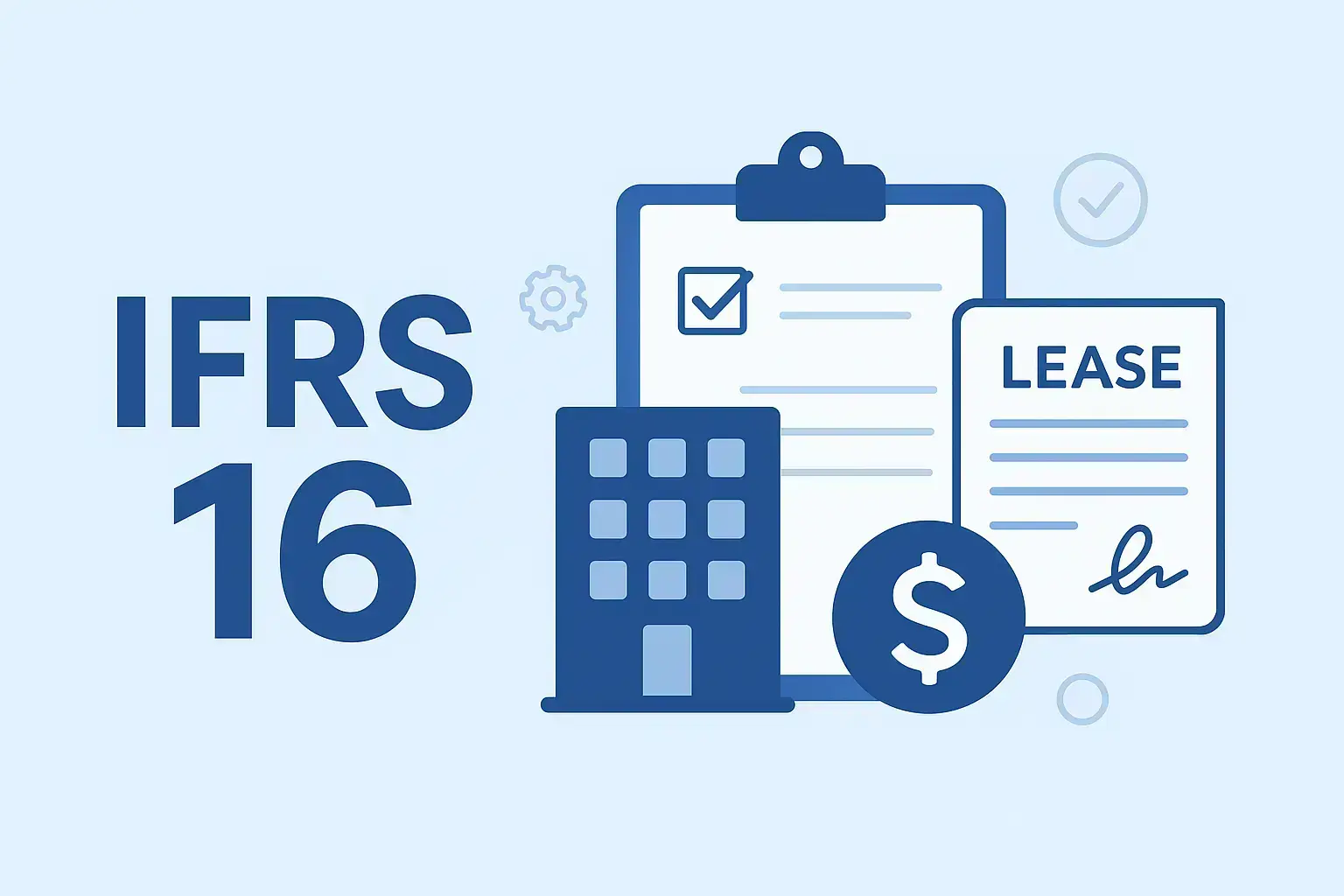
IFRS 16: Understanding the Lease Accounting
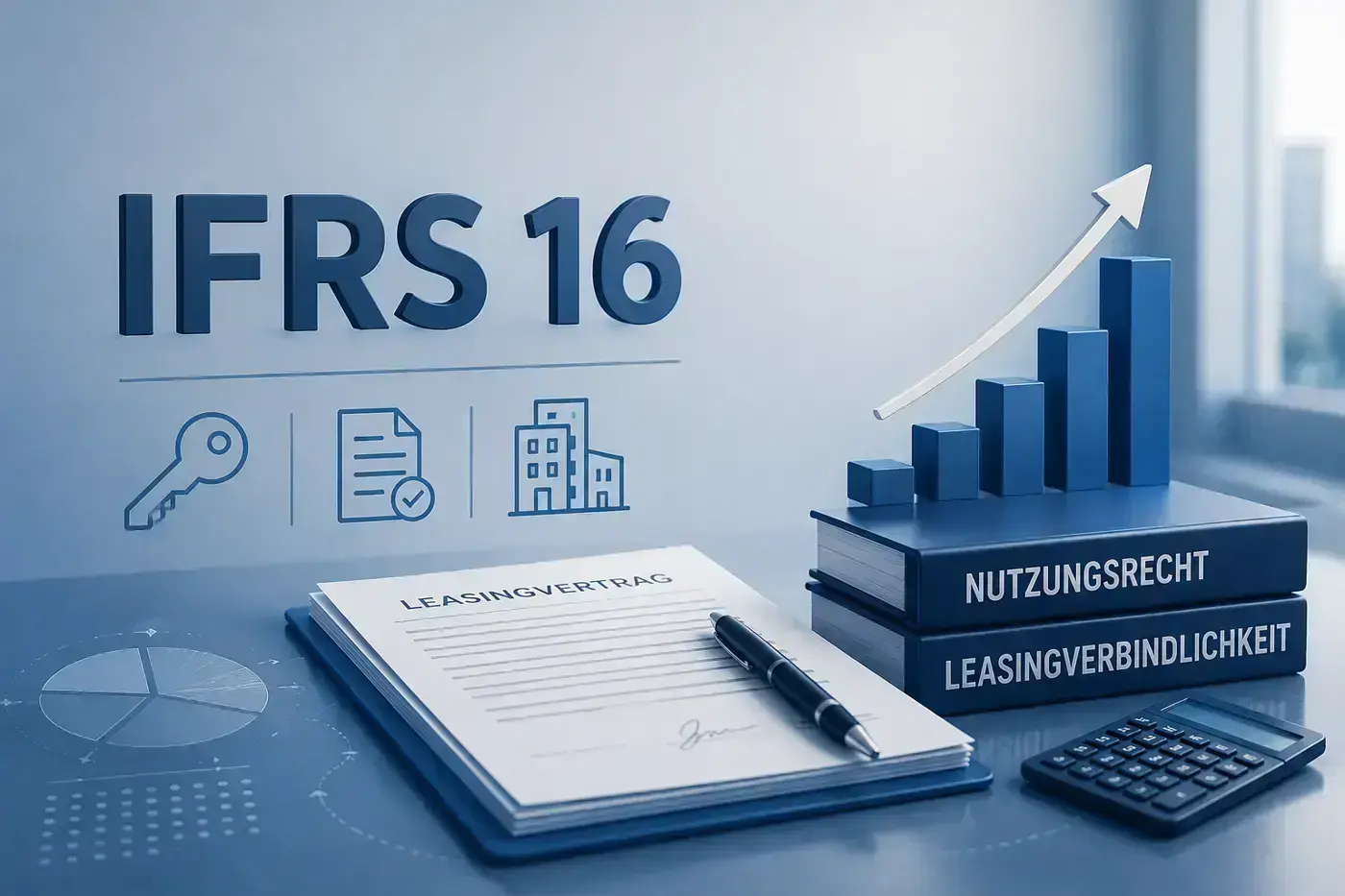
Understanding IFRS 16: Lease Accounting for Modern Businesses
IFRS 16 revolutionized the way companies account for leases by bringing most lease obligations onto the balance sheet. For startups and SMEs operating in Austria and across Europe, understanding IFRS 16 is essential to ensure compliance, transparency, and accurate financial reporting. This standard impacts financial ratios, investment decisions, and even contract negotiations. Below, we outline the core components and departmental roles involved in implementing IFRS 16 effectively.
Lease Identification: Recognizing Contracts Within Scope
The first step under IFRS 16 is determining whether a contract qualifies as a lease.
Identifying contracts that convey the right to control the use of an asset for a period of time.
Distinguishing between lease and service components in a single contract.
Assessing terms such as renewal options, purchase rights, or termination clauses.
Accurate identification ensures that all qualifying leases are recognized and prevents compliance risks or misstatements in financial reports.
Initial Recognition: Recording Right-of-Use Assets and Liabilities
Once a lease is identified, the Finance department records both a right-of-use (ROU) asset and a lease liability at commencement.
Measuring the lease liability based on the present value of future lease payments.
Recognizing the ROU asset at cost, including initial direct costs and restoration obligations.
Applying the appropriate discount rate—either the interest rate implicit in the lease or the lessee’s incremental borrowing rate.
This stage establishes the foundation for accurate reporting of assets and obligations under IFRS 16.
Subsequent Measurement: Managing Depreciation and Interest
After initial recognition, both the Accounting and Controlling departments monitor the ongoing treatment of leases.
Depreciating the ROU asset over the lease term or useful life, whichever is shorter.
Recognizing interest expense on the lease liability using the effective interest method.
Reassessing lease terms when conditions change—such as extensions or modifications.
This ensures financial statements reflect current obligations and asset values throughout the lease lifecycle.
Impact on Financial Statements: Transparency and Performance
The implementation of IFRS 16 significantly affects the balance sheet, income statement, and cash flow statement.
Increased assets and liabilities due to capitalization of leases.
Shift from operating lease expenses to depreciation and interest expense.
Changes in EBITDA and leverage ratios that may affect financing decisions.
For SMEs, understanding these impacts supports better financial planning, loan management, and investor communication.
Practical Implementation: Coordination Across Departments
Successful IFRS 16 adoption requires coordination between Finance, Controlling, and Operations.
Maintaining a centralized lease register with all contract details.
Automating lease calculations and remeasurements through accounting software.
Ensuring regular communication between finance teams and management for policy updates.
This integrated approach ensures compliance while minimizing administrative effort and potential errors.
Conclusion
IFRS 16 is more than a technical accounting update—it reshapes how businesses view assets, liabilities, and operational efficiency. For SMEs, compliance means improved transparency, better access to finance, and more reliable financial insights. Partnering with professional advisors helps streamline implementation, automate reporting, and ensure your company stays compliant with evolving standards.
Learn more about IFRS compliance services and how they help SMEs maintain transparent reporting. You can also explore our guides on lease accounting and financial reporting for a deeper understanding. For expert support, book a consultation with our team today.
Category
Recent News
Popular Tags
- FinancialReporting
- InventoryCount
- InventoryManagement
- SAPFinancials
- FinancialStatements
- IncomeStatement
- VarianceAnalysis
- Budgeting
- Forecasting
- InventoryAnalysis
- InventoryValuation
- BalanceSheet
- CashFlowStatement
- BudgetingAndForecasting
- FinancialAnalysis
- SAPImplementation
- SAPModules
- SAPChallenges
- Bookkeeping
- BookkeepingRecords
- BookkeepingCompliance
- StartupBookkeeping
- BusinessValuation
- ValuationMethods
- Mergers And Acquisitions
- Company Preparation

Professional & Experience Business Services
Send Us Message
Your email address will not be published. Required fields are marked *